

sEASONS
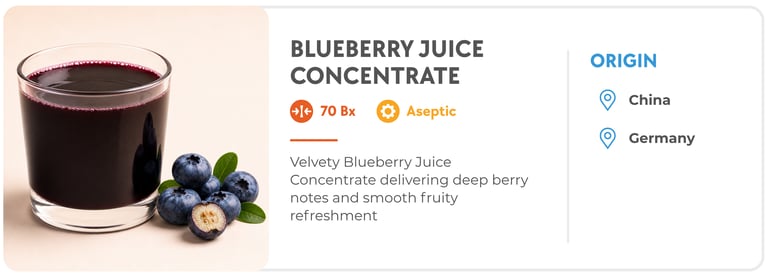
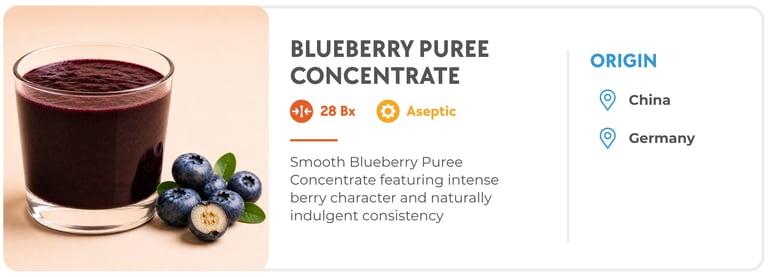
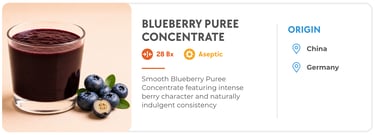
Blueberry production is highly influenced by temperate seasonal cycles, with harvesting periods depending on regional climate conditions and cultivation methods. In China, blueberry harvesting generally occurs between May and August, with different production regions allowing extended harvesting periods across the growing season. In Germany, blueberries are commonly harvested from July to September during the warmer summer months when fruit maturity, sweetness, and color development reach optimal levels. Seasonal production is carefully managed to maintain fruit quality, flavor balance, and nutritional characteristics suitable for concentrate manufacturing. These harvesting cycles support stable production of blueberry juice concentrate and puree concentrate while preserving the fruit’s natural sweetness, deep color, and aromatic berry profile.
Origin
Blueberries are widely cultivated in temperate regions due to their preference for cooler climates, acidic soils, and well-managed agricultural environments. China has rapidly expanded its blueberry cultivation industry in recent years, supported by growing consumer demand, advanced agricultural investment, and favorable production regions capable of supplying both fresh and processed blueberry products. The country continues to strengthen its role in global blueberry processing, particularly for juice concentrate and puree concentrate applications. Germany is also recognized for blueberry cultivation and processing within Europe, supported by suitable temperate growing conditions and strong demand for berry-based products in the food and beverage sector. Both countries contribute to the international supply of blueberries used in concentrates and processed fruit ingredients for various industrial applications.

Nutritional Benefits
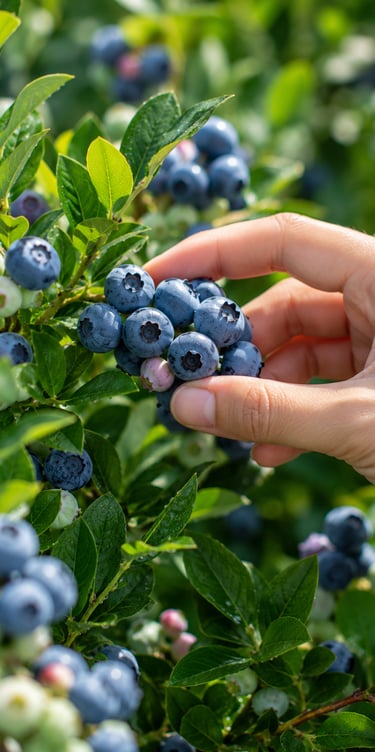
Blueberries are recognized for their strong nutritional profile, particularly their naturally occurring antioxidants, vitamin C, dietary fiber, and phytonutrient content. The fruit is especially valued for anthocyanins, natural plant compounds responsible for the deep blue-purple color and widely associated with antioxidant activity. Blueberries also provide vitamin C, which contributes to immune support and antioxidant protection, while dietary fiber supports digestive health and overall nutritional balance. In addition, blueberries contain manganese and various polyphenols that contribute to their nutritional value and functional appeal. Their combination of vibrant color, refreshing berry flavor, and antioxidant-rich composition makes blueberries a highly desirable ingredient in food and beverage applications focused on both taste and nutritional positioning.
Applications
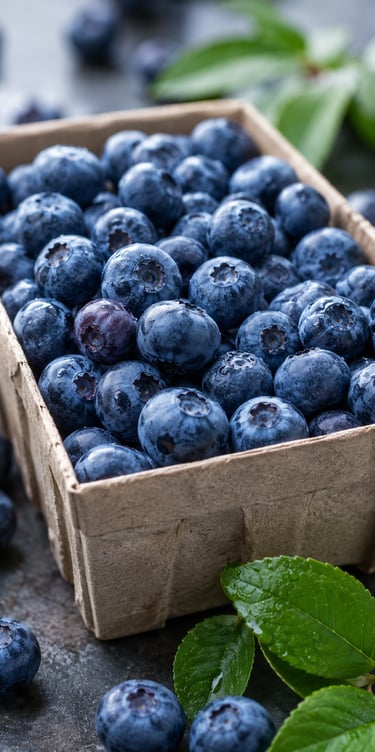
Blueberry juice concentrate and puree concentrate are highly valued in the food and beverage industry for their rich berry flavor, deep purple-blue color, and naturally sweet-tart profile that enhance a wide range of applications. Their concentrated fruit character and smooth consistency make them particularly suitable for juices, smoothies, dairy products, desserts, confectionery, bakery fillings, and functional beverages. Blueberry concentrates are commonly used in yogurts, ice creams, jams, fruit preparations, syrups, nutritional beverages, and flavored drink formulations where authentic berry flavor and vibrant natural color are desired. The concentrates also blend well with other berries and fruit ingredients, allowing manufacturers to create layered fruit profiles with balanced sweetness and acidity. Their premium fruit image and versatile functionality make blueberry ingredients widely utilized across modern food and beverage product development.

Enquire
Reach out for enquiries about our products
WHITE GUAVA


WHITE GUAVA PUREE
India






WHITE GUAVA PULP
India
GUAVA JUICE CONCENTRATE
COUNTRY C
GUAVA JUICE CONCENTRATE
COUNTRY D
PINK GUAVA

PINK GUAVA PUREE
India




PINK GUAVA PUREE
South Africa
PINK GUAVA PUREE
South Africa
GUAVA NFC AND PUREE
COUNTRY D
sEASONS
Guava juice production is closely tied to the fruit's growing seasons, which vary depending on the region and climate. In tropical and subtropical areas, guava trees typically bear fruit year-round, with peak harvests occurring twice annually, often during the rainy and post-rainy seasons. For instance, in India, guava production peaks in the monsoon season (July-September) and again in winter (November-February). In other regions, such as Central and South America, guavas may follow similar cycles, with abundant harvests linked to rainy periods. These seasonal surges in fruit availability make certain times of the year ideal for guava juice production, ensuring freshness and quality.
Origin
Guava juice is produced in various tropical and subtropical countries, thanks to the widespread cultivation of guava trees. Major producers include India, which leads the global guava market due to its favorable climate and vast agricultural resources. Other prominent producers are Brazil, Mexico, and Thailand, where guava is a staple fruit and a key ingredient in beverages. Additionally, Indonesia and the Philippines contribute significantly to guava juice production, supported by their abundant guava orchards. Countries in Central America and the Caribbean, such as Costa Rica and the Dominican Republic, also play a role, leveraging their tropical conditions to produce quality guava-based products.


Enquiries
Feel free to reach out to us to inquire about availability and pricing. We’re here to assist you and provide all the information you need.


Address
Golden Gardens Processed Food
7030 Ang Mo Kio Avenue 5
#08-80 Northstar
Singapore 569880
Contacts
Telephone: +65 6794 4559
Email: sales@ggpfood.com