
What Makes Brazil Untouchable in the Global Orange Juice Industry?
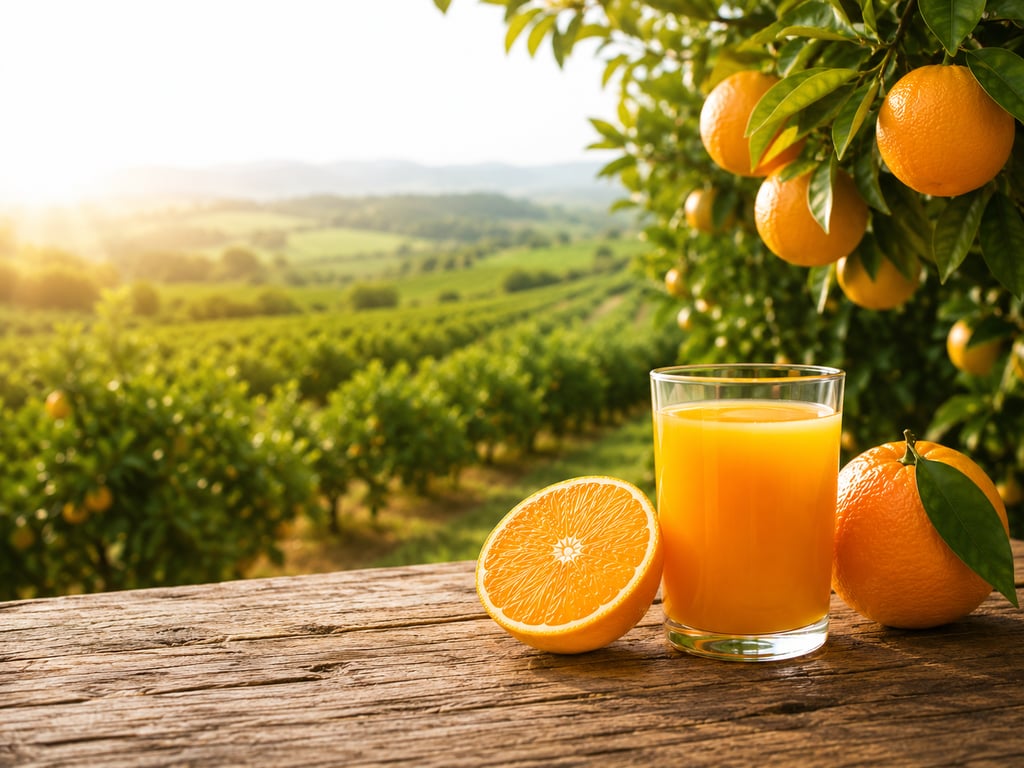
Brazil has become one of the main pillars of the global agricultural economy, alongside Florida, as one of the world’s largest orange suppliers. Fun facts, oranges did not originate in Brazil, but in Asia, specifically Southeast Asia. Portuguese colonizers introduced oranges to Brazil in the 16th century, where the fruit gradually became part of local consumption before evolving into a major export commodity.
Today, Brazil is the world’s largest orange juice exporter, accounting for nearly 80% of globally traded orange juice. The industry also has a significant impact on rural communities by supporting stable income growth and employment opportunities. Processed products such as juice, essential oils, and pulp have become key components of international trade, positioning Brazil as the global leader in the orange juice industry.
Why Does Brazil Dominate the Industry?
Ideal Climate and Fertile Land
Brazil offers the perfect environment for orange cultivation,
Technological Innovation and Productivity
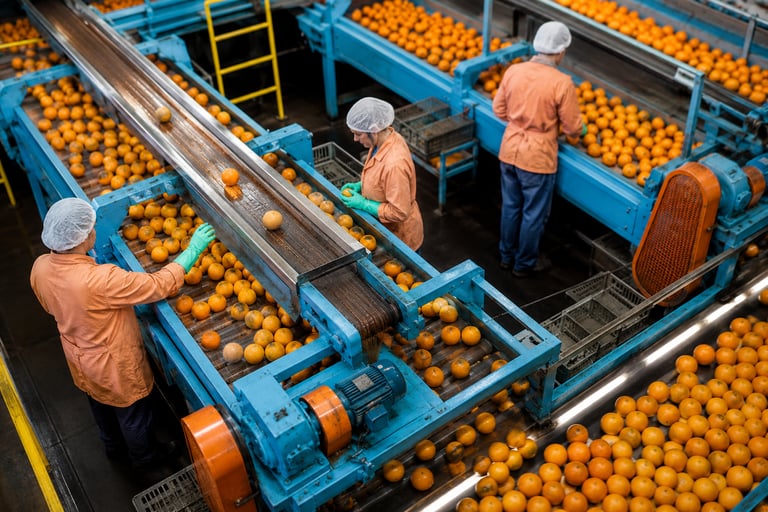
Brazil’s success is not based solely on land size. The country has also improved productivity by 210% while using 45% less land through a cultivation technique known as densification planting more orange trees within the same area to maximize yield efficiency.
Strong Export Infrastructure
For more than 50 years, Brazilian juice exporters have developed a sophisticated and highly efficient supply chain. Export terminals at the Port of Santos, located about 80 kilometers from São Paulo city, receive products from inland juice factories through fleets of stainless-steel tanker trucks. Refrigerated cargo ships then transport orange juice regularly to Europe and the United States, strengthening Brazil’s position in the international market.
What Challenge Lie Ahead Brazil?
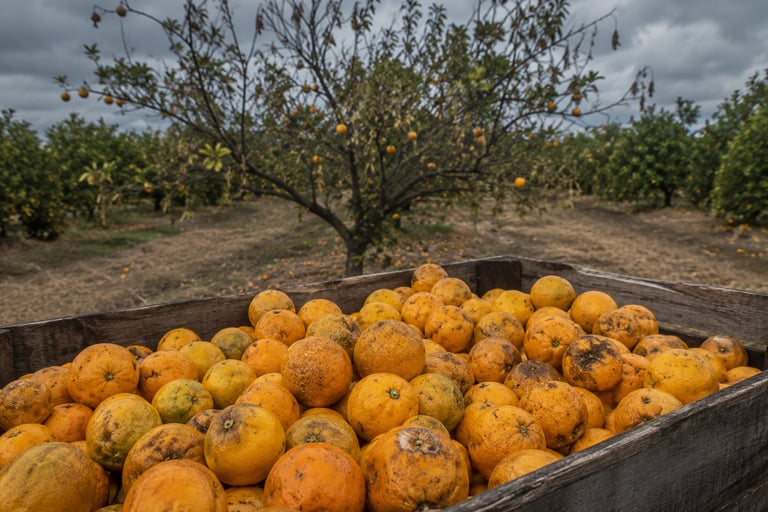
Despite its dominance, Brazil faces major challenges as the world’s largest orange supplier. Extreme weather conditions such as droughts, heatwaves, and storms are becoming more frequent and increasingly unpredictable. One of the most serious risks facing Brazil’s citrus industry is citrus greening disease, scientifically known as Huanglongbing (HLB). This disease weakens orange trees from within, producing smaller, misshapen, and often bitter-tasting fruit, ultimately reducing both yield and quality.
Brazil’s dominance is not a coincidence. It is the result of an ideal climate, massive production scale, technological innovation, and mature export infrastructure working together over decades.
However, if harvest conditions in Brazil continue to be disrupted by extreme weather and disease, global orange juice prices are likely to keep rising and the world still lacks an adequate backup plan to replace Brazil’s supply.
with warm temperatures, seasonal rainfall, and abundant sunlight. Its main production region, known as the Citrus Belt, is concentrated in the state of São Paulo, followed by Minas Gerais and Paraná. The country’s orange plantations are also significantly larger than those of most competing nations.
Massive Production Scale
Around 30% of Brazil’s orange production is allocated to the fresh fruit market, while the remaining 70% is processed into juice. The total Brazilian orange crop for 2023–2024 is forecast at 408 million 40.8-kilogram boxes, equivalent to approximately 16.5 million metric tons (MMT). This enormous production capacity enables Brazil to consistently dominate the global supply chain.
Address
Golden Gardens Processed Food
7030 Ang Mo Kio Avenue 5
#08-80 Northstar
Singapore 569880
Contacts
Telephone: +65 6794 4559
Email: sales@ggpfood.com