

sEASONS
Pomegranate juice production is closely tied to the fruit’s natural growing and harvesting seasons. Typically, pomegranates are harvested in the late summer through early winter, depending on the region. In the Northern Hemisphere, the season generally spans from September to December, while in the Southern Hemisphere, it falls between March and May. These months are when the fruit is at its peak ripeness, ensuring the juice retains its vibrant flavor, rich color, and nutrient density. Producers often prioritize freshly harvested pomegranates during this period to create high-quality juice, capturing the essence of the season in every bottle.
Origin
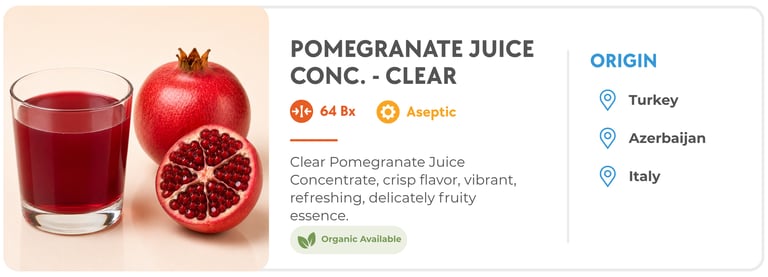
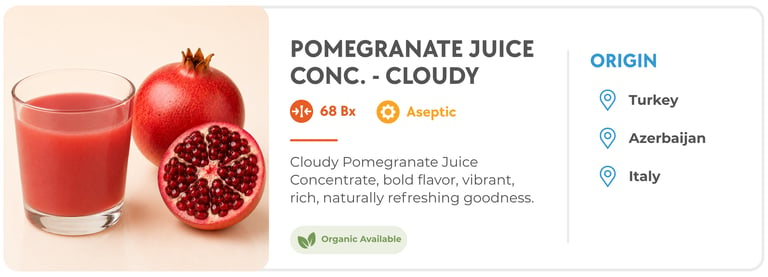
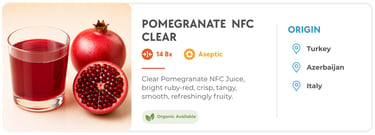
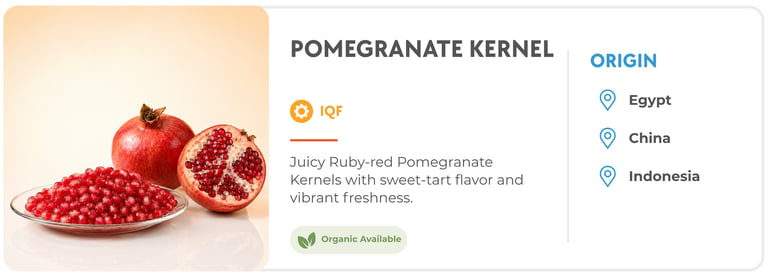
Pomegranate juice is produced in several countries renowned for their agricultural output and favorable climates. Major producers include Iran, one of the world's leading cultivators of pomegranates, leveraging its long history of pomegranate farming. India also contributes significantly, particularly from regions like Maharashtra. In the Mediterranean, countries like Turkey, Spain, and Israel are prominent producers, benefiting from the region's warm climate. The United States, particularly California, plays a vital role in the pomegranate juice market, driven by its advanced agricultural techniques. Additionally, countries such as Egypt and Afghanistan, with their rich soil and ideal growing conditions, contribute to the global supply.
Nutritional Benefits
Pomegranate is recognized for its rich nutritional profile, containing vitamin C, vitamin K, potassium, dietary fiber, and a wide range of naturally occurring antioxidants. The fruit is particularly known for its high concentration of polyphenols, including punicalagins and anthocyanins, which have been widely studied for their antioxidant properties and role in helping protect cells from oxidative stress. A serving of pomegranate juice generally provides notable amounts of vitamin C and potassium, supporting immune function and normal body balance. Pomegranate also contains plant compounds associated with cardiovascular health and overall wellness, making it a widely valued ingredient in food and beverage applications.
Applications
Pomegranate ingredients bring a vibrant and contemporary fruit profile to dairy applications, combining bold color, refreshing tartness, and natural visual appeal. Pomegranate puree is often used in yogurts, smoothies, frozen desserts, and cultured dairy products to create a rich fruit layer with a smooth yet lively taste experience, while pomegranate concentrate provides intense flavor, deep ruby color, and formulation consistency for dairy beverages and flavored milk applications. Meanwhile, pomegranate kernels add a distinctive texture and premium visual element to parfaits, yogurts, and dessert toppings, enhancing both appearance and consumer experience. Together, these ingredients help dairy products achieve a modern, refreshing identity with a balance of sweetness and bright fruity character.


Enquire
Reach out for enquiries about our products
jUICE Concentrates


PASSION FRUIT JUICE CONCENTRATE (FROZEN)
Vietnam






PASSION FRUIT JUICE CONCENTRATE
Vietnam
PASSION FRUIT JUICE CONCENTRATE
Vietnam
PASSION FRUIT JUICE CONCENTRATE
COUNTRY D
NFC AND PUREE

PASSION FRUIT PUREE (WITHOUT SEED)
Vietnam




PASSION FRUIT NFC AND PUREE
COUNTRY B
PASSION FRUIT NFC AND PUREE
COUNTRY C
PASSION FRUIT NFC AND PUREE
COUNTRY D
sEASONS
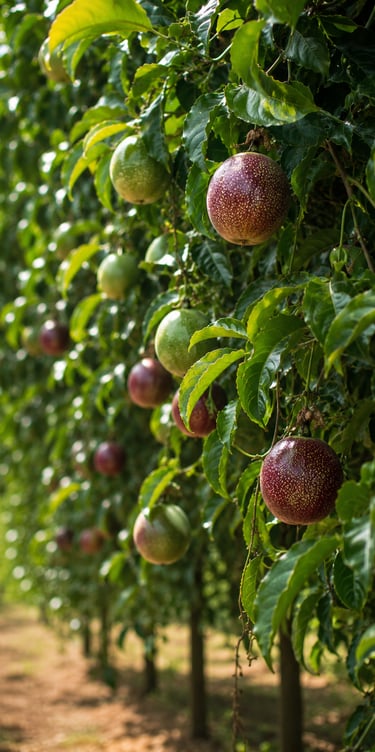
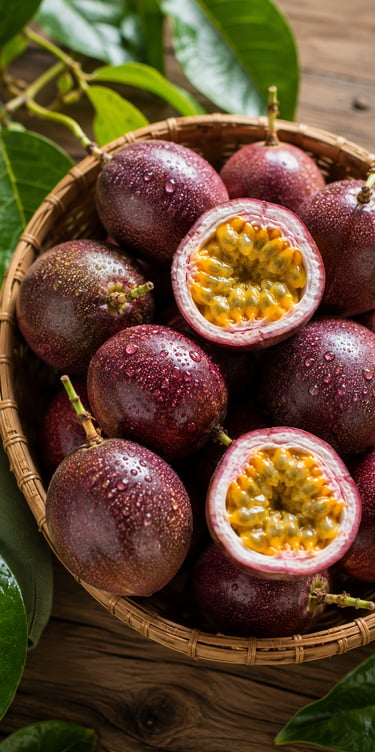
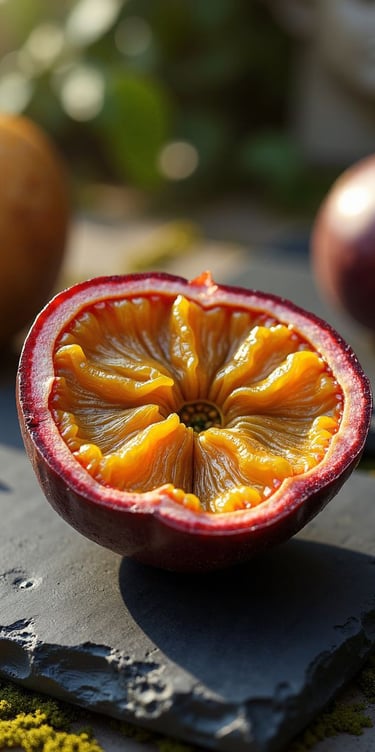
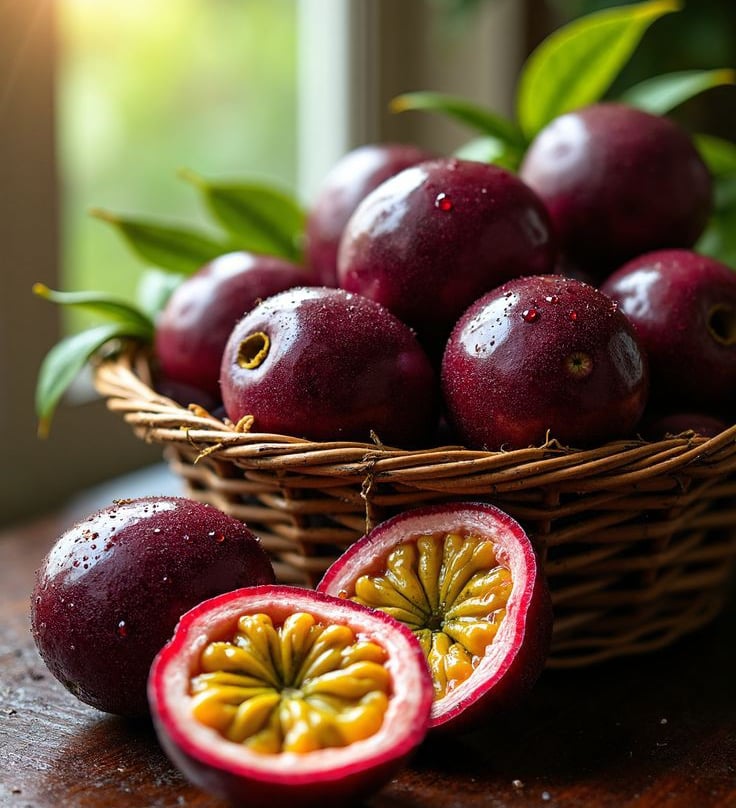
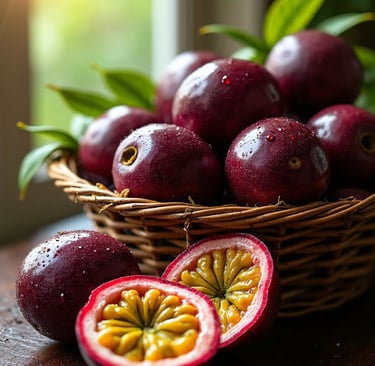
Passion fruit juice production follows the natural rhythms of the growing season. In tropical climates, passion fruit vines thrive year-round, but peak production typically occurs during the warmer months, from late spring to early fall. This period, marked by abundant sunlight and rainfall, encourages the most vigorous flowering and fruit setting. Harvesting generally begins in late summer, with fruits reaching maturity in early autumn. While the vines can produce fruit throughout the year, the highest yields are often seen in these prime months. Seasonal variations in climate can influence the intensity and quality of the harvest, affecting juice production.
Origin
Passion fruit juice is produced primarily in tropical and subtropical regions, with leading countries including Brazil, Colombia, and Ecuador in South America. These nations are among the world’s top exporters of passion fruit, cultivating the fruit in large quantities for juice production. In addition, the Philippines and Thailand in Southeast Asia are significant producers, contributing notably to the global market. Other countries like Kenya, India, and Australia also partake in the cultivation and production of passion fruit juice, catering to both local and international demand. The fruit thrives in these climates, making them ideal regions for large-scale juice production.

Enquiries
Feel free to reach out to us to inquire about availability and pricing. We’re here to assist you and provide all the information you need.
Address
Golden Gardens Processed Food
7030 Ang Mo Kio Avenue 5
#08-80 Northstar
Singapore 569880
Contacts
Telephone: +65 6794 4559
Email: sales@ggpfood.com